The knowledge needed to help the world transition to a safer climate is siloed, out of date, buried, opaque and confusing.
This blocks decision-making, stifles investment and slows policy development.
So, we're building...
A distributed, human curated, AI poweredknowledge commons to power the world's climate transition intelligence.
Register for early access
Whats the problem?
A successful transition needs intelligence that is accurate, actionable & specific. Instead, it's often controversial, out of date or superficial.
Knowledge is buried in
Silos. Important knowledge sits inside organisations, private datasets, and proprietary tools. Even when it exists, it's scattered across teams and systems.
Conversations that disappear. Real insight is shared in events, meetings, and informal discussions. It circulates briefly and then gets lost.
Noise and jargon. Signal is mixed with PR, lobbying, startup claims, and biased reports. Serious work is often hidden inside dense academic papers or specialist language.
AI models don't get climate
No judgement. AI treats PR, marketing claims, biased reports, and real research as similar sources. It struggles to tell what's credible, relevant, or useful.
Limited access to real sources. Much of the best information lives in events, journals, paywalled research, project data, and real deal terms AI models can't access.
Misses real-world constraints. Climate solutions depend on context like grid capacity, planning rules, supply chains, and local politics; realities AI often skips over.
Meet the solution
Climatalist AI combines a three part platform: a climate smart AI agent, a AI publishing platform and a network of knowledge commons to create climate intelligence that is verifiable, actionable, and current.







A climate smart AI agent
Here's how we create reliable knowledge that talks back.
Intelligence that's actionable
The agent goes beyond keyword search: it surfaces connections between topics, identifies relevant experts, and provides context on things like carbon accounting, MRV, additionality, and permanence — the substance that generic AI tools gloss over.
Large curated set of authoritative global sources
Deep citations to reliable sources for every assertion
Anti-hallucination layers to drive reliability




An AI powered collaboration and publishing platform
Organisations can combine their own expertise with the ClimatalistAI agent to create a structured, searchable, AI-powered interface for internal collaboration or public sharing.
Curate + collect your organisation's know-how
Curate reliable web sources. Relevant sites that are broadly useful for transition know-how or essential for understanding a specific domain.
Gather digital assets. White papers, Journal articles, Podcasts, Video from internal and external sources, organised into collections you can search across & chat to.
Capture events, workshops + meeting transcripts. Video + transcribe broad and deep conversations to capture up to the minute insights.
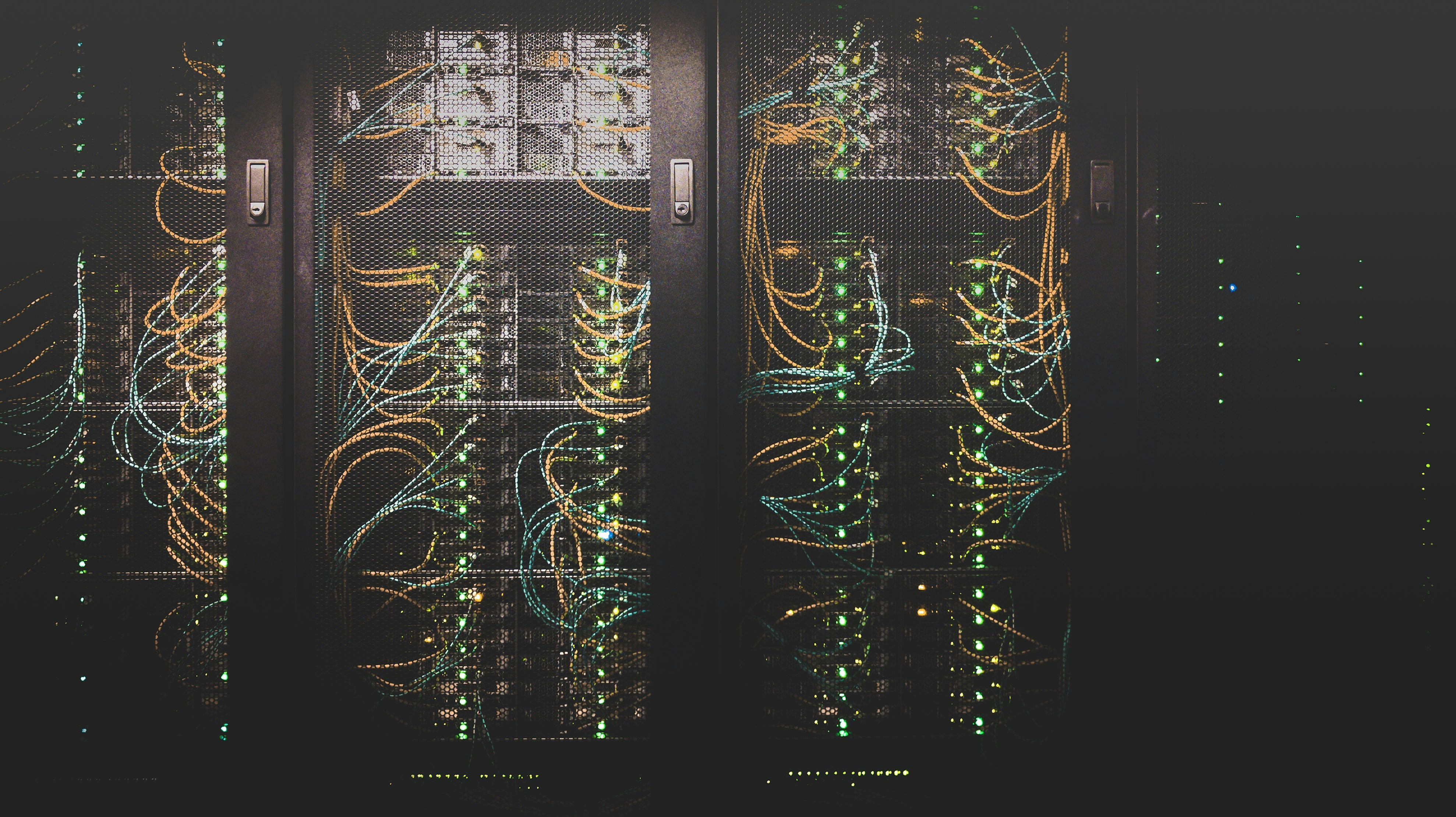
Circular Precincts with Data Centers
Orchestrating industrial ecosystems for resource efficiency in 10 seconds


The Anchor Tenant Advantage
Data centers provide constant demand and significant waste heat, ideal for co-locating with heat-intensive industries
65%
Waste heat from Costa Rican data center reused to dry agricultural products like coffee
*A material social view on data center waste heat: Novel uses and metrics


Create, collaborate and amplify!
Build structure and taxonomy to help group resources, deep knowledge + AI publications knowledge for easy navigation
Extract knowledge into key entities like people, organisations and key ideas into their own navigable entities. Enrich those entities with AI powered insights from your own data and the Climatalist ecosystem.
Publish deep, rich interactive content at the speed of AI and with a human touch.
A global climate knowledge commons
Bring together the AI Agent and Publishing Platform and apply them to major transition challenges - enabling ecosystems to collaborate on shared intelligence projects we call "knowledge commons".
A platform for creating authoritative, AI powered ecosystem intelligence
Commons bring together members an ecosystem who have special expertise, data or capabilities around specific transition topics to create an authoritative set of intelligence.
Each commons becomes a shared knowledge resource for the transition ecosystem.
Key roles in a commons
A small coordinating team coordinates knowledge aggregation, brings the ecosystem together, curates and promotes the work of the node.
A core ecosystem of anchor financial supporters, members, and contributing experts funds the commons and contributes knowledge.
A broader ecosystem including subscribers, journalists, researchers, adjacent ecosystems, and the public uses and spreads the knowledge generated.
A financial model that supports collective know-how
An anchor financial sponsor initiates a commons by providing financial support (either philanthropic or commercial).
As it builds, the commons becomes a powerful resource for the ecosystem itself – allowing the commons to generate its own revenue from:
membership fees; and
licensing the know-how outside the immediate ecosystem – for example into an agentic tool for investment analysis
Register for early access
RegisterWho the platform is built for
If you sit in an internal or ecosystem role driving transition change through know-how - Climatalist AI is built for you.
Use cases
AI powered communication and publishing for large organisations + multi-org teams
Collaboration private knowledge for teams across organisations
Internal knowledge building, collaboration and sharing
Events + workshop intelligence
Roles
Innovation hubs, accelerators, ecosystem conveners
Help translate buried ecosystem know-how into powerful insight within and beyond the ecosystem.
Philanthropic and impact teams
Communicate about projects to amplify impact, uncover deeper know-how on impact topics, novel deal structures and emerging market failures to target.
Investors
Execute rapid high level diligence around emerging opportunities, stay across a broader landscape and share startup insights / investment success.
Researchers & academics
Verify claims, trace sources, and find the evidence you need without trawling through databases. Accelerate collaboration on your research and amplify its reach.
Startup founders
Rapidly build and test your know-how on capital stacks, novel domains, potential partners and customers.
Consultants, advisers and other climate practitioners
Get up to speed on unfamiliar topics quickly, with expert-curated context you can actually trust. Create your own knowledge sets to amplify your reach.
Policy, strategy & sustainability teams
Navigate complex, fast-moving topics in regulation with intelligence that's structured, not scattered. Share know-how on transition projects across teams to accelerate cross-department collaboration.
Frequently asked questions
What exactly is your platform?
Our platform is a structured knowledge system designed to organise climate expertise into trusted, searchable hubs. It combines human curation with AI support to turn fragmented information into usable intelligence.
What is a node?
A node is a focused knowledge hub within the platform, organized around a specific climate topic or domain.
How is this different from a document database?
Unlike a document database, our platform structures knowledge with context, relationships, and AI-powered navigation.
Why not just use AI tools like ChatGPT?
General AI tools lack domain-specific curation, verified sources, and the expert context needed for climate decision-making.
Who controls the knowledge in a node?
The coordinating team and contributing experts maintain editorial control within each node.
Can nodes be private?
Yes, nodes can be configured as private for internal team collaboration before being shared publicly.
How does someone contribute?
Contributors can share resources, write field guides, curate sources, and add expertise to relevant nodes.
How do you prevent AI hallucination?
Through deep citations, source verification, curated taxonomies, and anti-hallucination architecture layers.
How does knowledge stay current?
Continuous curation by experts, automated source monitoring, and community contributions keep knowledge up to date.
Who is this built for?
Researchers, climate practitioners, policy teams, event organisers, and anyone working on the climate transition.
What is the business model?
Commons are funded through anchor sponsors, membership fees, and licensing of curated knowledge.
Register for early access
By submitting this form you agree to us contacting you and using your details for marketing purposes as per our privacy policy.